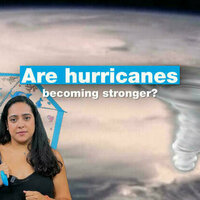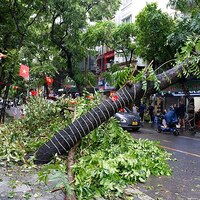


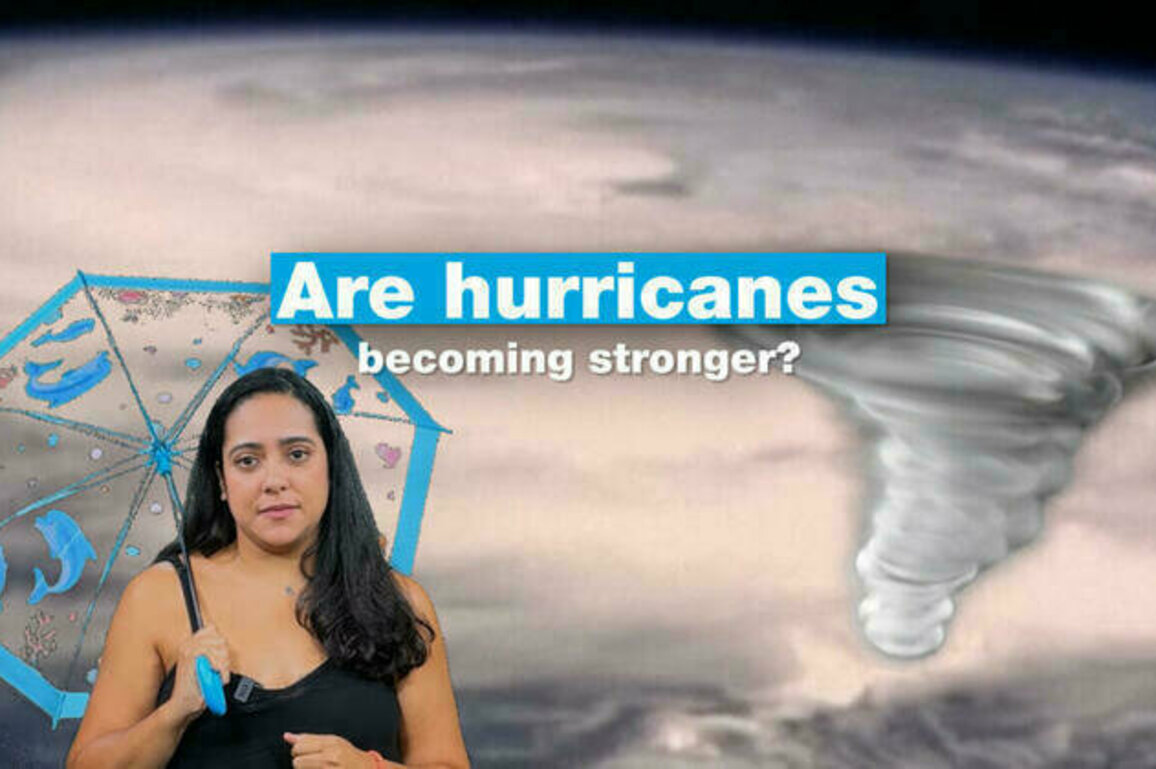
With climate change, the behaviour of tropical cyclones that is, hurricanes, typhoons and tropical storms is changing for the worse, becoming slower and more dangerous. Twenty years after Hurricane Katrina devastated New Orleans, one of the worst hurricanes in US history, here is what you need to know about storms today.
Come summer in the United States, those on the East Coast eye the Atlantic warily. Atlantic hurricane season usually runs from June 1 to November 30, usually peaking in September. However, over the past decade, that is no longer the norm. In seven of the last 10 years at least one named storm has formed before June 1. This had only happened three times between 2005 and 2014.
In a recent study, researchers found that the probability of majorhurricanesoccurringhadincreased by about 22% from 1979 until 2017.They are also becoming stronger faster, a phenomenon known as rapid intensification.
For example, before Hurricane Helene struckFloridain September 2024, it grew from a Category 1 to a Category 4 hurricane in just the span of a day. Usually that change is more gradual, happening over a few days.
And when that happens close to landfall, it means less time to prepare and evacuate, posing a major risk to coastal communities.
Meanwhile,recent researchshows that hurricanes are travelling more slowly, which brings more damage caused by strong winds and a higher risk of flooding, as more rain is dumped over a particular area.
Warmer oceans, faster hurricanes
The formation and intensity of tropical cyclones depend on just the right mix of environmental conditions. Essentially, itcomes down to the amount of fuel available.
As ourclimatecontinues to grow warmer, so do the oceans, which absorb 90% of the worlds surplus heat.The hotter the water, the moreenergyavailable to power the storms growth. A warmer atmosphere can also hold more moisture, which in turn means more fuel for the tropical systems.
Usually, as the hurricane swirls, it brings cooler water from the bottom to the surface of the ocean, but if deep waters are also warm, hurricanesintensify faster and do not stop intensifying.
Another consequence of global warming is rising sea levels, which makes so-called storm surges(and therefore,flooding),worse.With Hurricane Katrina, for example, it was the strong storm surge coupled with engineering mistakes that caused levees to fail, devastating the New Orleans area.
Read moreClimate change amplified intensity of Hurricane Helene, study says
What does the future hold?
According to the USNational Oceanic and Atmospheric Administration (NOAA), the global number of tropical cyclones may decrease or remain unchanged in the future, but theproportion of the stronger Category 4 or 5 storms is projected to increase. They are also more likely to become more intense and have higher rainfall rates than present-day hurricanes.
If we fix a threshold in terms of wind, how we define a major hurricane, then the number of hurricanes that go above this threshold is increasing, although the total number is the same. And the proportion of Category 4 and 5 tropical cyclones is going to increase even more if we dont stop burning fossil fuels, says Davide Faranda, research director at the CNRS research centre inFrance.
Then we can also have other risks. For example, consecutive cyclones, cyclones that are one after the other, for which you cannot recover from the first, and then you have immediately the second one. And also different kinds of events that can appear after tropical cyclones, for example, aheatwave. If you have a hurricane hitting Florida with a lot of moisture andfloods, and then you have a big heatwave, people will not only suffer from the consequences of the hurricane but also from the wet heat conditions that will start to develop immediately afterwards, Farandasays.
Research also indicates that the range of hurricanes and tropical cyclones will increase, meaning millions more people could face the devastating damage of these storms in the years to come.Thisdamageis expected to continue to double every generationbecause of inflation, population growth andexpanded infrastructure along the coast.
Originally published on France24